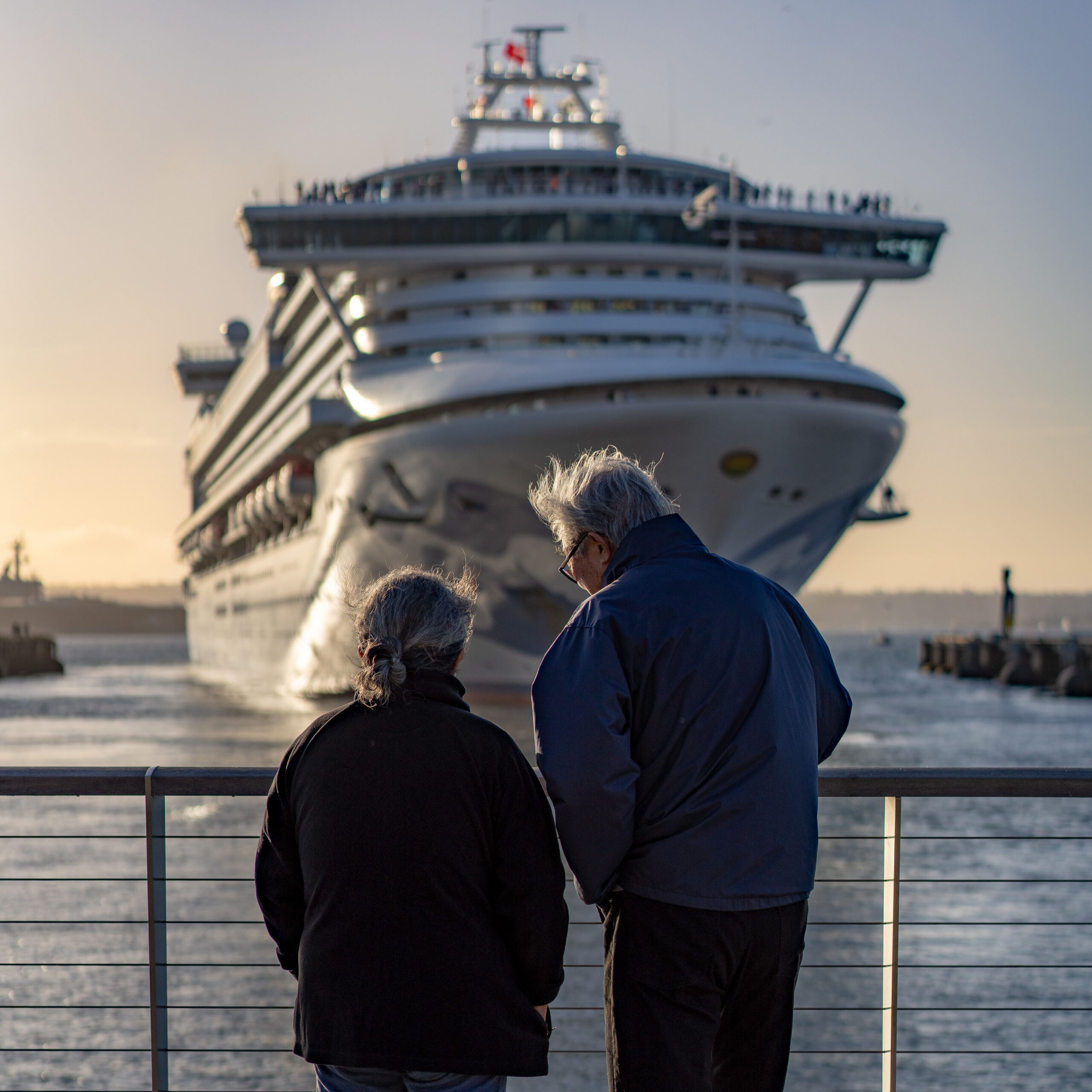
Whether it’s a relaxing coastal break, a once-in-a-lifetime cruise, or visiting family overseas, more people are enjoying travel well into retirement.
But for older travellers, finding the right travel insurance can sometimes feel confusing, especially when standard policies include hidden age limits or don’t properly cover pre-existing medical conditions.
At First Senior, we understand the importance of travelling with confidence and peace of mind. This checklist explains what to look for when choosing travel insurance later in life, helping you avoid unexpected exclusions and travel with reassurance.

1. Check There Are No Restrictive Age Limits
One of the first things to look for is whether the policy has upper age limits. Many standard travel insurance policies quietly restrict cover for older travellers or stop offering certain benefits after a certain age.
Specialist travel insurance for seniors and pensioners is designed specifically for older age groups and is far more likely to offer cover for travellers aged over 65, 70, 75 and beyond.
Many older travellers searching for travel insurance for over 65s or travel insurance for over 70s benefit from specialist policies designed specifically for senior travellers
Checklist tip:
✔ Always check the maximum age for both single-trip and annual policies
✔ Make sure all benefits remain active at your age, not just medical cover
2. Make Sure Medical Cover Is Comprehensive
Medical emergencies are one of the biggest financial risks when travelling, particularly for elderly travellers. Hospital treatment abroad can be extremely expensive, especially outside Europe.
Your travel insurance should include:
· Emergency medical treatment
· Hospital stays and specialist care
· Emergency evacuation
· Repatriation back to the UK if required
This is why specialist elderly travel insurance is essential, it’s built with higher medical risks in mind.
3. Declare All Pre-Existing Medical Conditions
A common mistake older travellers make is assuming a medical condition is “too minor” to declare. Even well-managed conditions like high blood pressure or diabetes must be disclosed.
Failing to declare a condition could invalidate your policy.
Good travel insurance for seniors will offer cover for a wide range of pre-existing medical conditions following a simple medical screening process.
Checklist tip:
✔ Declare everything — even conditions you feel are stable
✔ Keep confirmation that conditions are accepted
At First Senior, we understand that many older travellers live active lives while managing medical conditions. Our team can help guide customers through the medical screening process clearly and sympathetically.
4. Match Your Insurance to Your Type of Trip
Not all travel insurance is the same, and your policy should reflect how you’re travelling.
If you’re taking a standard holiday
A comprehensive travel insurance for elderly travellers policy will usually be sufficient, covering medical emergencies, cancellation, baggage and delays.
If you’re going on a cruise
Cruises involve additional risks, such as missed port departures or medical treatment at sea. In this case, specialist cruise insurance for elderly travellers is essential, as standard policies often don’t cover cruise-specific issues.
5. Consider Mobility Needs and Equipment
If you rely on mobility aids such as a walking frame, wheelchair or mobility scooter, this should be factored into your insurance planning.
Standard travel insurance may not cover:
· Airport assistance
· Travelling with scooters/powerchairs
· Airline battery requirements for mobility scooters
· Mobility equipment protection
· Accessible cruising
For customers travelling with mobility scooters or powerchairs, it’s important to understand exactly what protection is included while abroad. Airline battery regulations, accidental damage, breakdown support and temporary replacement equipment should all be considered before travelling.

6. Check Cancellation and Curtailment Cover
As we get older, unexpected health issues can arise before or during a trip. Cancellation and curtailment cover protects the money you’ve paid if you have to cancel before departure or cut your trip short.
Make sure the cancellation limit matches the true cost of your holiday — especially if you’ve booked flights, accommodation and excursions separately.
7. Choose the Right Policy Type
Older travellers often benefit from flexible policy options:
· Single-trip insurance – ideal for one-off holidays
· Annual multi-trip insurance – cost-effective for frequent travellers
8. Why Specialist Travel Insurance Matters for Older Travellers
Many comparison websites focus purely on price. However, the cheapest policy is not always the best option, particularly for older travellers or customers with medical conditions.
Specialist providers like First Senior offer a more personal approach, helping customers understand their cover clearly and ensuring the policy is suitable for their individual needs.
Unlike many online-only providers, our customers can speak directly with a friendly UK-based team who understand the needs of older travellers and mobility customers.
Final Thoughts: Travel With Confidence at Any Age
The right travel insurance allows you to focus on enjoying your trip — not worrying about what might happen. By using this checklist and choosing specialist cover, older travellers can explore the world with confidence and peace of mind.
Whether you need travel insurance for seniors or cruise insurance for elderly travellers making informed choices now can make all the difference later.
If you would like help finding travel insurance suitable for older travellers or pre-existing medical conditions, the friendly UK-based team at First Senior are here to help.
Call us on 01582 840067 or visit our Travel Insurance page to learn more.
Travel Insurance for Seniors
FAQs
Yes, specialist providers like First Senior can often offer cover for older travellers beyond the age limits found in many standard policies.
Many policies can provide cover for pre-existing medical conditions, provided they are declared during the medical screening process.
Cruise holidays often require specialist cover for missed departures, cabin confinement and medical treatment at sea.
Yes, but it is important to check airline requirements and understand what protection your policy provides for mobility equipment.